
Have you ever struggled to stay focused, felt constantly distracted, or found yourself acting impulsively without thinking first? 🤔 Many people experience these challenges occasionally. However, when these behaviors become persistent and start affecting school, work, relationships, or daily life, they may be connected to ADHD.
The term ADHD meaning has become increasingly popular online because more people want to understand this condition in simple and human terms. ADHD is not just about being “hyper” or “easily distracted.” It is a real neurodevelopmental condition that affects millions of children and adults around the world.
In this detailed guide, you will learn everything about ADHD, including its meaning, symptoms, causes, types, diagnosis, treatment options, myths, emotional effects, and practical coping strategies. 💡
What Is the Meaning of ADHD? 🧠
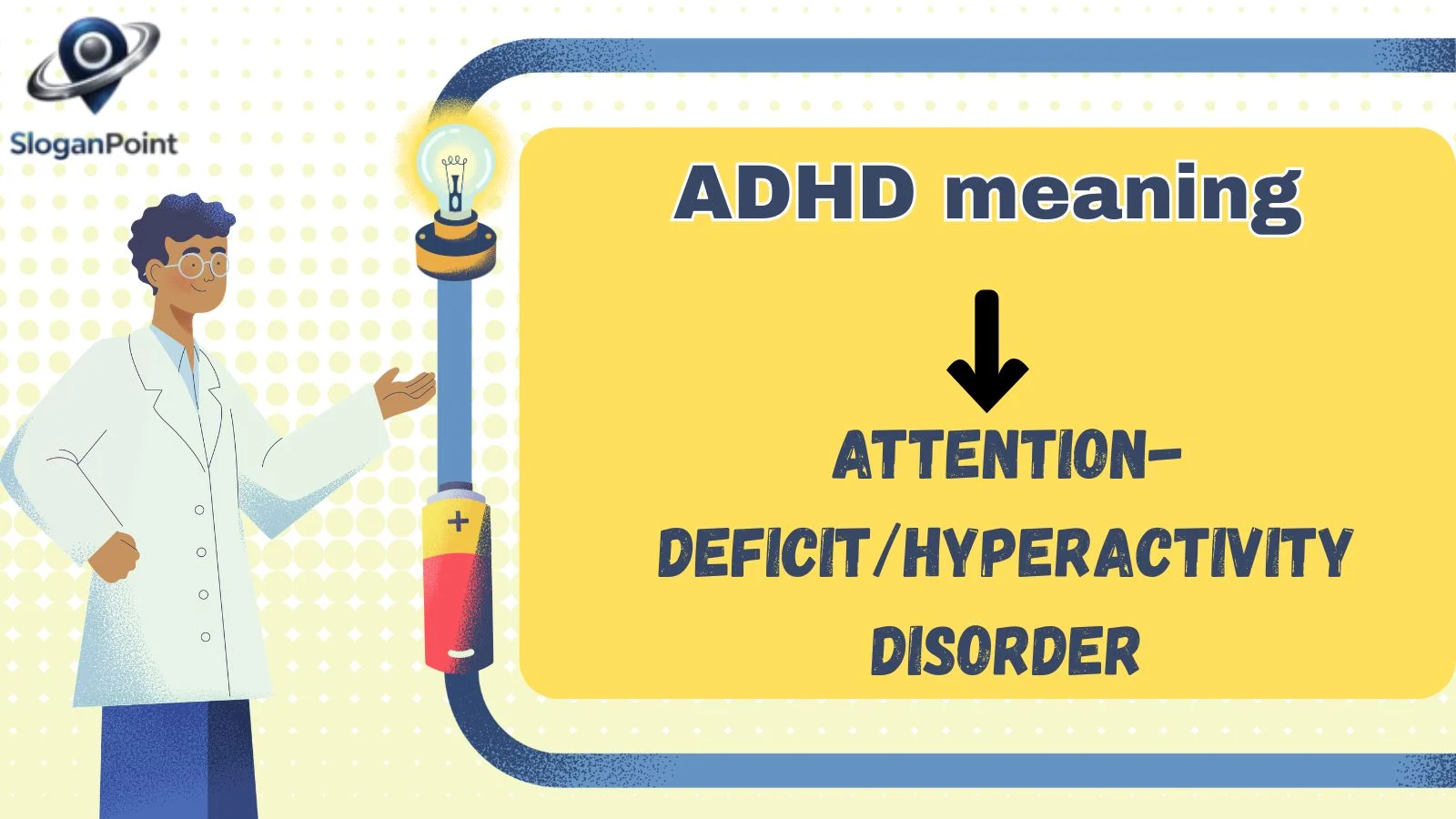
ADHD stands for Attention-Deficit/Hyperactivity Disorder. It is a medical condition that affects a person’s ability to focus, stay organized, control impulses, and manage energy levels.
People with ADHD often struggle with:
- Paying attention for long periods
- Completing tasks on time
- Following instructions
- Sitting still
- Controlling impulsive behavior
- Managing emotions effectively
ADHD can affect both children and adults. While some people mainly experience attention problems, others deal with hyperactivity or impulsiveness.
“ADHD is not a lack of intelligence. It is a difference in how the brain manages attention, motivation, and self-control.”
Origin and History of ADHD 📚
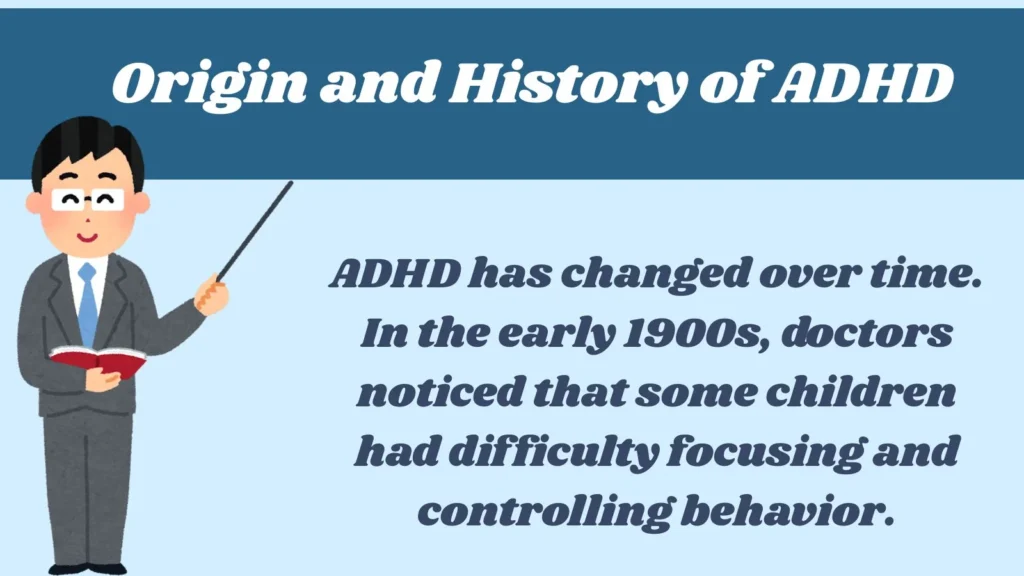
The understanding of ADHD has changed over time. In the early 1900s, doctors noticed that some children had difficulty focusing and controlling behavior. However, the condition was misunderstood for many years.
The term ADHD became officially recognized in the late 20th century as researchers learned more about brain development and behavior patterns.
| Year | Development |
|---|---|
| 1902 | Doctors first described attention-related behavioral issues |
| 1960s | Condition linked to hyperactivity in children |
| 1980 | ADD officially introduced in diagnostic manuals |
| 1987 | The term ADHD became widely accepted |
| Today | ADHD recognized in children, teens, and adults |
What Causes ADHD? 🔍
There is no single cause of ADHD. Experts believe multiple factors contribute to the condition.
1. Genetics 🧬
ADHD often runs in families. If a parent or sibling has ADHD, the chances of another family member developing it are higher.
2. Brain Structure and Function
Research suggests that certain areas of the brain responsible for attention and impulse control may function differently in people with ADHD.
3. Environmental Factors 🌍
Some environmental influences may increase ADHD risk, including:
- Exposure to toxins during pregnancy
- Premature birth
- Low birth weight
- Smoking or alcohol use during pregnancy
4. Neurotransmitter Imbalance
Brain chemicals like dopamine may work differently in individuals with ADHD, affecting motivation and focus.
Types of ADHD 🧩
ADHD is divided into three main types depending on symptoms.
1. Predominantly Inattentive Type
People with this type mainly struggle with focus and organization.
- Easily distracted
- Forgetful
- Trouble following directions
- Loses items frequently
2. Predominantly Hyperactive-Impulsive Type ⚡
This type involves excessive movement and impulsive behavior.
- Constant fidgeting
- Interrupting conversations
- Difficulty sitting still
- Acting without thinking
3. Combined Type
This is the most common type. It includes both inattentive and hyperactive symptoms.
Common ADHD Symptoms in Children 👦👧
Children with ADHD may show different signs depending on their age and personality.
Attention Problems
- Difficulty concentrating in class
- Frequent careless mistakes
- Daydreaming often
- Not listening when spoken to
Hyperactivity Symptoms
- Running or climbing excessively
- Talking too much
- Constant movement
- Difficulty staying seated
Impulsivity Symptoms
- Blurting out answers
- Interrupting others
- Trouble waiting for turns
- Risk-taking behavior
ADHD Symptoms in Adults 👨💼
Many adults have ADHD without realizing it. Symptoms may look different compared to children.
| Adult ADHD Symptom | Example |
|---|---|
| Poor Time Management | Missing deadlines regularly |
| Forgetfulness | Forgetting appointments or tasks |
| Restlessness | Feeling mentally “on edge” |
| Impulsive Decisions | Spending money without planning |
| Difficulty Focusing | Switching between unfinished tasks |
Adults with ADHD may also struggle with relationships, careers, and emotional regulation.
How ADHD Affects Daily Life 🌟
ADHD impacts more than just attention. It can affect almost every area of life.
School Performance 📖
Students with ADHD may find it difficult to:
- Complete homework
- Stay organized
- Focus during lessons
- Prepare for exams
Workplace Challenges 💼
Adults may face:
- Difficulty managing deadlines
- Frequent distractions
- Task-switching problems
- Work-related stress
Relationships ❤️
ADHD can sometimes create misunderstandings in friendships and relationships due to forgetfulness, impulsive behavior, or emotional reactions.
How Is ADHD Diagnosed? 🩺
There is no single medical test for ADHD. Doctors usually evaluate behavior patterns over time.
Diagnostic Process
- Behavior questionnaires
- Medical history review
- School or work performance evaluation
- Interviews with family members
- Mental health assessment
Symptoms must usually appear before age 12 and continue for at least six months.
Can ADHD Be Cured? ❓
ADHD does not currently have a permanent cure. However, it can be successfully managed with proper support and treatment.
Many people with ADHD live highly successful and fulfilling lives.
ADHD Treatment Options 💊
Treatment plans depend on age, symptoms, and individual needs.
1. Medication
Doctors may prescribe medications to improve focus and reduce impulsivity.
- Stimulants
- Non-stimulant medications
2. Therapy 🗣️
Behavioral therapy helps individuals develop coping skills and emotional regulation techniques.
3. Lifestyle Changes 🌿
- Healthy sleep routine
- Regular exercise
- Balanced nutrition
- Mindfulness practices
4. Coaching and Support
ADHD coaches and support groups can help individuals stay organized and motivated.
Natural Ways to Manage ADHD 🌱
While professional treatment is important, some daily habits may help improve focus and productivity.
Helpful Strategies
- Use planners and reminders
- Break tasks into smaller steps
- Create structured routines
- Reduce distractions
- Practice meditation
“Small habits repeated consistently can create major improvements in ADHD management.”
ADHD and Mental Health 🧠
ADHD often exists alongside other mental health conditions.
Common Related Conditions
- Anxiety
- Depression
- Learning disabilities
- Sleep disorders
- Mood disorders
This is why professional diagnosis is important. Proper evaluation ensures the right treatment approach.
Myths About ADHD 🚫
Myth 1: ADHD Is Fake
ADHD is a medically recognized condition supported by decades of research.
Myth 2: Only Kids Have ADHD
Adults can also have ADHD. Many people are diagnosed later in life.
Myth 3: ADHD Means Laziness
ADHD is not laziness. People with ADHD often work extremely hard but struggle with brain regulation and focus.
Myth 4: Sugar Causes ADHD 🍭
There is no strong scientific proof that sugar directly causes ADHD.
Strengths of People With ADHD 🌟
ADHD also comes with unique strengths and talents.
- Creativity
- High energy
- Problem-solving ability
- Innovative thinking
- Spontaneity
- Passion-driven focus
Many entrepreneurs, artists, athletes, and creators have ADHD and use their strengths successfully.
Real-Life ADHD Example 📝
Imagine a student named Ali. He is intelligent and creative but constantly forgets homework and struggles to stay seated during class.
Teachers initially think he is careless. However, after evaluation, he is diagnosed with ADHD. With therapy, structure, and support, Ali improves academically and emotionally.
This example shows why understanding ADHD matters. Early support can transform lives.
ADHD vs Normal Distraction 🤔
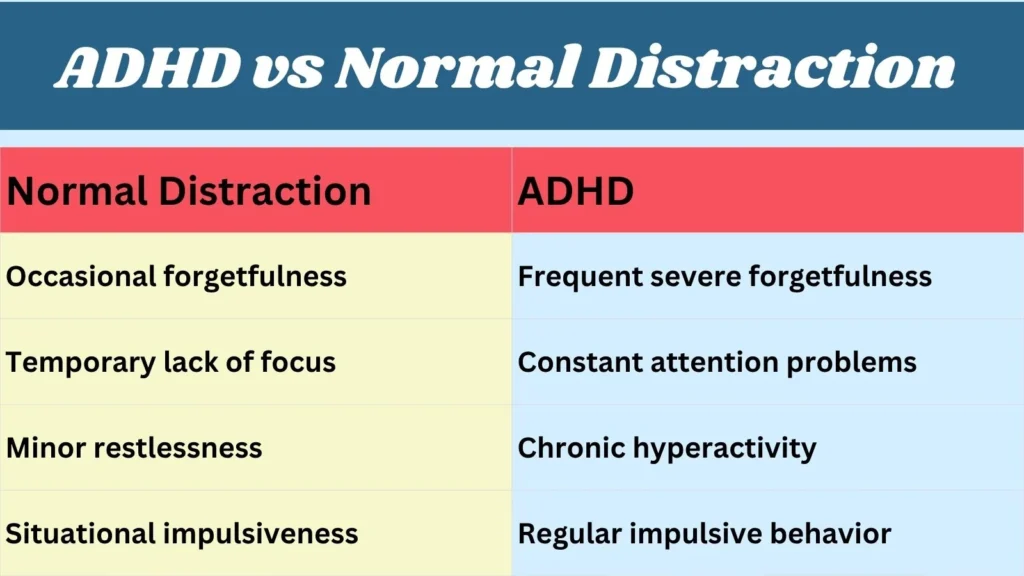
Everyone gets distracted sometimes. However, ADHD symptoms are more intense and persistent.
| Normal Distraction | ADHD |
|---|---|
| Occasional forgetfulness | Frequent severe forgetfulness |
| Temporary lack of focus | Constant attention problems |
| Minor restlessness | Chronic hyperactivity |
| Situational impulsiveness | Regular impulsive behavior |
FAQs:
1. What does ADHD stand for?
ADHD stands for Attention-Deficit/Hyperactivity Disorder.
2. Is ADHD a mental illness?
ADHD is considered a neurodevelopmental disorder that affects brain function and behavior.
3. Can adults have ADHD?
Yes. Many adults live with ADHD, even if they were never diagnosed as children.
4. Is ADHD genetic?
Genetics play a major role in ADHD development.
5. Can ADHD be managed naturally?
Healthy routines, exercise, sleep, and therapy may help manage symptoms, although professional treatment is often beneficial.
Final Thoughts:
Understanding the true ADHD meaning is important because this condition affects real people in real ways.
ADHD is not simply about being distracted or energetic. It is a complex neurological condition that can influence attention, emotions, organization, and daily functioning.
With proper awareness, support, and treatment, individuals with ADHD can thrive in school, work, relationships, and life overall. 🌟
If you found this article helpful, explore more mental health and meaning-based guides to continue learning and growing.

I am Yasir and i am a passionate writer and language enthusiast behind Sloganpoint, a platform dedicated to exploring meanings, word origins, and simple explanations. He aims to make learning vocabulary easy, engaging, and accessible for everyone.