
ADHD meaning is one of the most searched mental health topics today. Many people hear the term ADHD in school, social media, workplaces, or doctor conversations, but they still wonder what it actually means. Is it simply distraction? Is it a medical condition? Or is it something deeper that affects emotions, learning, relationships, and daily life?
The truth is that ADHD is far more complex than most people think. It can affect children, teenagers, and adults differently. Some people struggle to focus. Others feel constantly restless.
Many experience emotional challenges, forgetfulness, impulsive decisions, and difficulty organizing tasks. Yet, people with ADHD can also be highly creative, energetic, innovative, and intelligent. 🌟
What Does ADHD Mean? 🤔
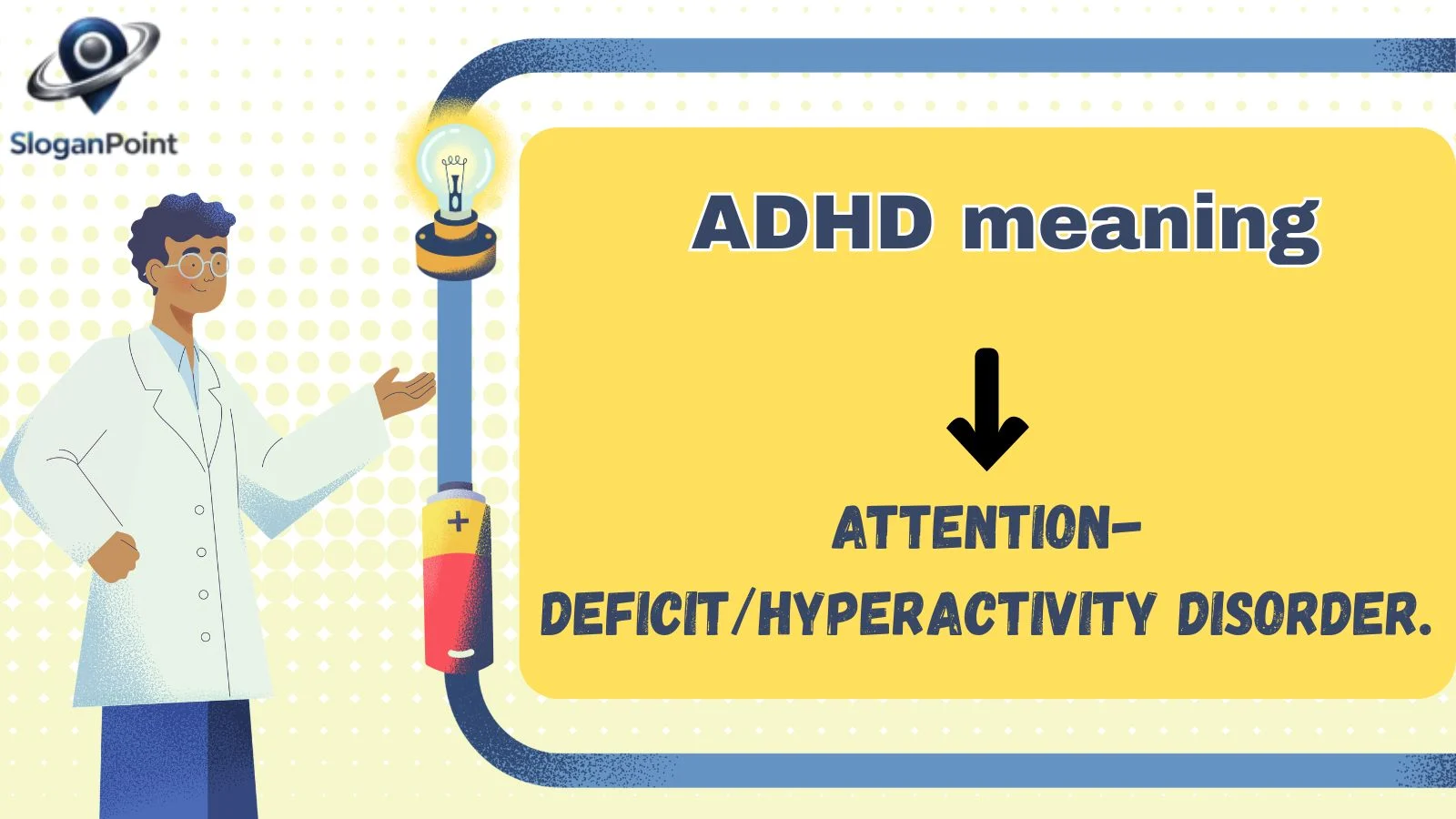
ADHD stands for Attention-Deficit/Hyperactivity Disorder. It is a neurodevelopmental condition that affects how the brain manages attention, impulse control, and activity levels.
People with ADHD may find it difficult to:
- Focus on tasks for long periods
- Stay organized
- Control impulsive actions
- Sit still quietly
- Follow instructions carefully
- Manage emotions effectively
ADHD is not caused by laziness or lack of intelligence. In fact, many successful entrepreneurs, artists, athletes, and innovators have ADHD traits. The condition simply means the brain processes attention and behavior differently. 🧩
“ADHD is not a lack of attention. It is difficulty controlling attention.”
The Origin and History 📚
The concept of ADHD has existed for more than a century. Doctors noticed certain children had unusual levels of hyperactivity, impulsiveness, and concentration difficulties.
Early History
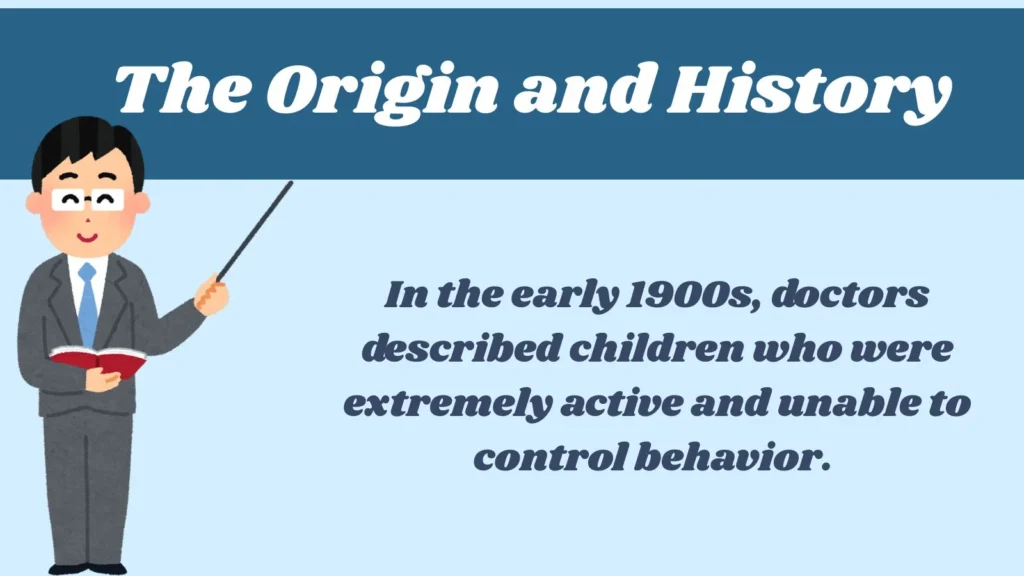
In the early 1900s, doctors described children who were extremely active and unable to control behavior. Over time, research improved and scientists understood that these behaviors were linked to brain development.
Modern Understanding
Today, ADHD is recognized worldwide as a real medical condition. Researchers now understand that genetics, brain chemistry, and environmental factors all play important roles.
| Time Period | ADHD Understanding |
|---|---|
| 1900s | Seen mainly as hyperactive behavior |
| 1960s | Linked to attention difficulties |
| 1980s | Officially named ADHD |
| 2020s+ | Recognized as a complex neurodevelopmental disorder |
ADHD Full Form Explained 🧠
Let’s break down the full form of ADHD:
Attention-Deficit
This refers to difficulty maintaining focus. A person may become distracted easily or struggle to complete tasks.
Hyperactivity
This means excessive movement, restlessness, or constant energy. Some people feel mentally hyperactive even if they appear calm physically.
Disorder
The word disorder means the condition significantly affects daily functioning, relationships, education, or work performance.
Main Types of ADHD 🔍
There are three major types of ADHD. Each person may experience symptoms differently.
1. Inattentive Type
This type mainly affects concentration and organization.
Common symptoms include:
- Forgetfulness
- Daydreaming
- Losing items frequently
- Difficulty completing tasks
- Trouble following conversations
This type is often harder to notice because the person may appear quiet instead of hyperactive.
2. Hyperactive-Impulsive Type ⚡
This type involves excessive activity and impulsive behavior.
- Talking excessively
- Interrupting others
- Difficulty sitting still
- Acting without thinking
- Feeling restless constantly
3. Combined Type
This is the most common type. It includes both inattentive and hyperactive symptoms.
Common ADHD Symptoms in Children 👦
ADHD symptoms often appear during childhood. However, every child behaves differently, so symptoms must be consistent and ongoing before diagnosis.
Attention Problems
- Short attention span
- Difficulty finishing homework
- Careless mistakes
- Easily distracted
Hyperactivity Signs
- Constant movement
- Running excessively
- Talking nonstop
- Fidgeting frequently
Impulsive Behavior
- Interrupting conversations
- Difficulty waiting for turns
- Acting without considering consequences
ADHD Symptoms in Adults 👨💼
Many adults discover they have ADHD later in life. Adult ADHD often looks different from childhood ADHD.
Common adult symptoms include:
- Poor time management
- Difficulty focusing at work
- Relationship struggles
- Chronic lateness
- Emotional sensitivity
- Forgetfulness
- Procrastination
Adults with ADHD may feel overwhelmed by simple tasks because their brain processes information differently.
What Causes ADHD? 🧬
Researchers believe ADHD develops due to a combination of factors.
Genetics
ADHD often runs in families. If a parent has ADHD, the child has a higher chance of developing it too.
Brain Structure
Studies show certain brain areas related to attention and impulse control function differently in people with ADHD.
Environmental Factors
Some environmental risks may contribute, including:
- Premature birth
- Exposure to toxins
- Smoking during pregnancy
- Brain injuries
How ADHD Affects Daily Life 🌍
ADHD impacts more than school performance. It can influence nearly every area of life.
Education
Students with ADHD may struggle with assignments, organization, and concentration despite being intelligent.
Workplace Challenges
Adults may face difficulty meeting deadlines, staying organized, or handling repetitive tasks.
Relationships
Forgetfulness, impulsive comments, and emotional sensitivity can create misunderstandings in relationships.
Mental Health
Many people with ADHD also experience anxiety, stress, or low self-esteem.
ADHD Treatment Options 💊
Treatment varies based on age, symptom severity, and lifestyle.
Medication
Some medications help improve focus and impulse control.
Therapy
Behavioral therapy helps people build healthy habits and coping strategies.
Lifestyle Changes
Healthy routines can greatly improve ADHD management.
- Regular exercise
- Good sleep habits
- Healthy diet
- Time management systems
- Mindfulness practices
Common Myths About ADHD ❌
Myth 1: ADHD Is Fake
This is false. ADHD is medically recognized worldwide.
Myth 2: Only Children Have ADHD
Many adults continue experiencing ADHD symptoms throughout life.
Myth 3: ADHD Means Low Intelligence
People with ADHD can be highly intelligent and talented.
Myth 4: Sugar Causes ADHD
There is no strong scientific proof that sugar directly causes ADHD.
ADHD in School and Learning 🎓
Children with ADHD may need additional support in classrooms.
Helpful strategies include:
- Short study sessions
- Visual learning tools
- Regular breaks
- Positive reinforcement
- Clear instructions
Teachers and parents working together can significantly improve learning experiences.
ADHD and Technology 📱
Modern technology can both help and hurt ADHD symptoms.
Helpful Technology
- Reminder apps
- Focus timers
- Digital calendars
- Task management tools
Negative Effects
Constant notifications and social media scrolling may worsen distraction.
ADHD and Emotional Health ❤️
ADHD often affects emotions deeply. Some people experience:
- Frustration
- Stress
- Mood swings
- Low self-esteem
- Sensitivity to criticism
Emotional support from family, teachers, friends, and therapists can make a huge difference.
ADHD vs Normal Distraction 📱
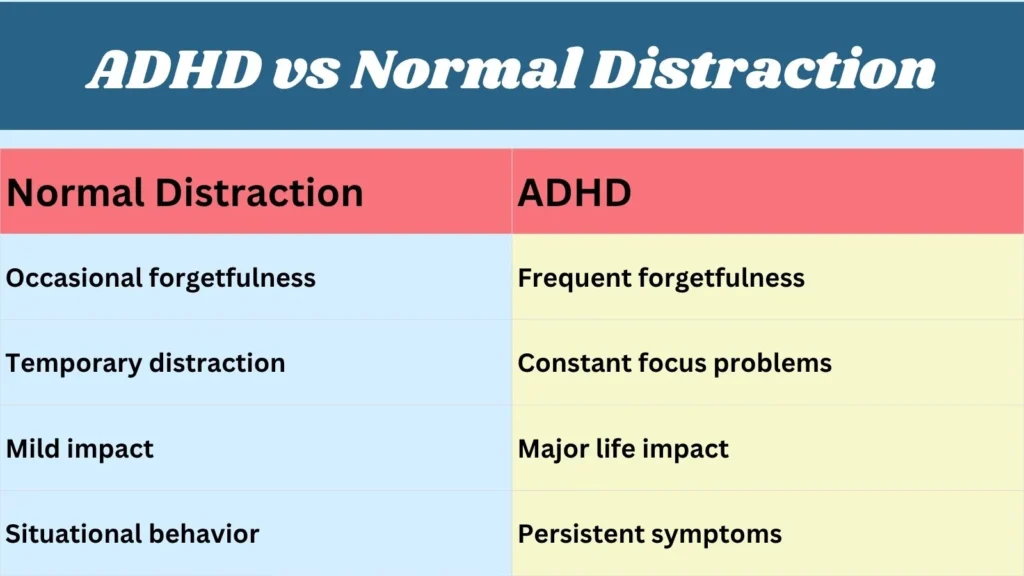
Everyone gets distracted sometimes. However, ADHD symptoms are stronger, long-lasting, and disruptive.
| Normal Distraction | ADHD |
|---|---|
| Occasional forgetfulness | Frequent forgetfulness |
| Temporary distraction | Constant focus problems |
| Mild impact | Major life impact |
| Situational behavior | Persistent symptoms |
Why ADHD Awareness Matters 🌎
Awareness reduces misunderstanding and stigma. Many people with ADHD are unfairly labeled as lazy or irresponsible when they are actually struggling with brain-based challenges.
Education helps society become more supportive and inclusive.
For more mental health and meaning guides, check this example internal link:
FAQs:
1. What is the simple meaning of ADHD?
ADHD means Attention-Deficit/Hyperactivity Disorder. It affects attention, impulse control, and activity levels.
2. Is ADHD a mental illness?
ADHD is considered a neurodevelopmental disorder, not simply a mental illness.
3. Can adults have ADHD?
Yes. Many adults experience ADHD symptoms even if they were never diagnosed as children.
4. Is ADHD treatable?
Yes. Therapy, medication, routines, and healthy habits can help manage symptoms effectively.
5. Are people with ADHD intelligent?
Absolutely. ADHD does not reduce intelligence. Many people with ADHD are highly creative and innovative.
Final Thoughts:
Understanding the true ADHD meaning helps remove harmful myths and confusion. ADHD is not laziness, bad parenting, or lack of intelligence.
It is a real condition that affects how the brain manages attention, behavior, and emotions.
With awareness, support, proper treatment, and healthy coping strategies, people with ADHD can succeed in school, careers, relationships, and personal goals.
Many individuals with ADHD develop incredible creativity, resilience, and unique ways of thinking that positively impact the world. 🌟

I am Yasir and i am a passionate writer and language enthusiast behind Sloganpoint, a platform dedicated to exploring meanings, word origins, and simple explanations. He aims to make learning vocabulary easy, engaging, and accessible for everyone.